
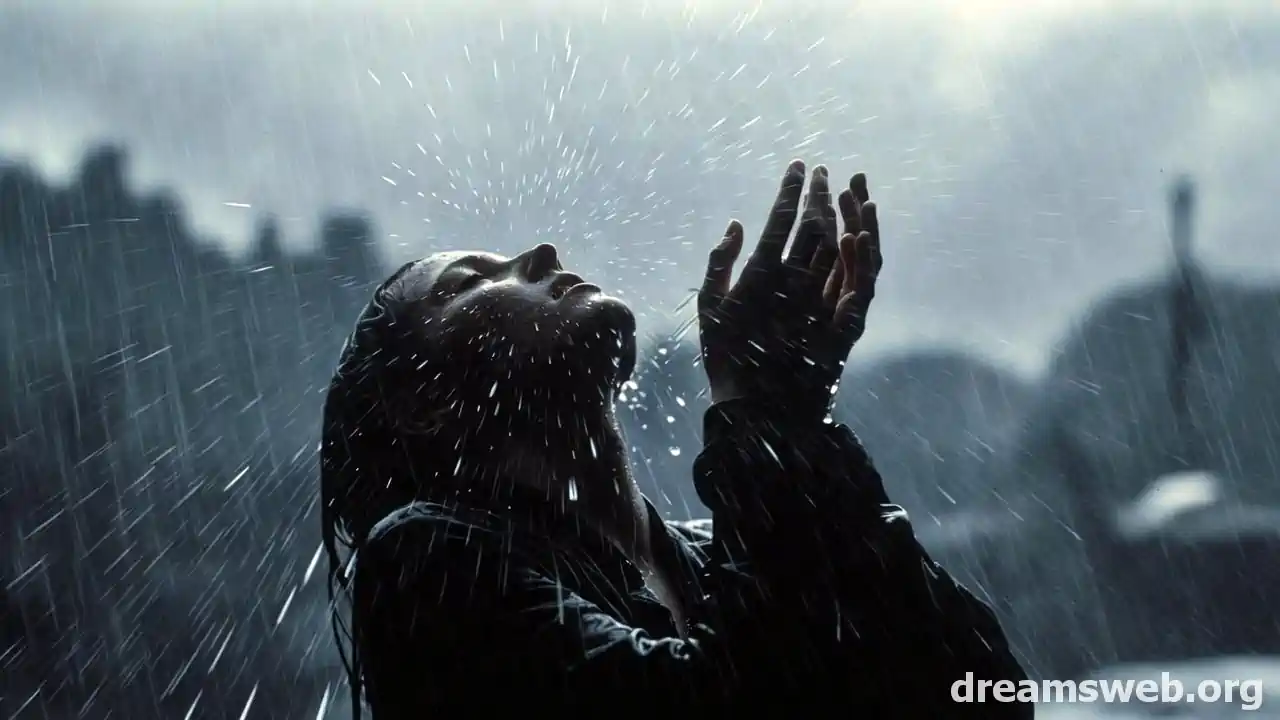
In the veiled theater of slumber, where the unconscious stages its most intimate performances, few motifs resonate with such layered potency as Dreaming of Rain. The steady cadence of droplets against an imagined windowpane or the sudden onslaught of a downpour can leave an indelible imprint, lingering like petrichor on the soul. Is this aqueous visitation a gentle invitation toward catharsis, rinsing the psyche of accumulated sediment? Or does it foreshadow a deeper unrest, a pluvial allegory for unresolved tensions bubbling toward the surface? The distinction is rarely binary, yet exploring its nuances invites a profound reckoning with the self.
What follows is not a rote catalog of symbols but an invitation to peer into the liminal waters where emotion and archetype converge. Through vivid narrative threads, sensory immersion, and carefully posed inquiries, we trace how these nocturnal showers reflect the intricate architecture of inner life. Prepare to question long-held assumptions about rest and revelation alike.
What Does Rain Symbolize in Dreams Overall?
Rain has long served as one of the psyche’s most versatile emissaries, bridging the tangible world of meteorology with the intangible realm of emotional topography. Far from simplistic weather imagery, it functions as a dynamic conduit for transformation, carrying messages encoded in its rhythm, volume, and aftermath.
The Archetypal Foundations of Pluvial Imagery
At its core, rain embodies the principle of permeability. It penetrates barriers, saturates the earth, and initiates cycles of renewal or erosion. In the oneiric landscape, this translates to a dissolution of rigid emotional structures. Consider the story of Marcus, a reserved architect who, amid mounting professional pressures, found himself standing beneath an endless cascade in his sleep. The water did not drown him; instead, it traced paths along his skin like forgotten memories resurfacing. Upon waking, he recognized the dream as the first acknowledgment of grief he had compartmentalized for years.
Such pluvial manifestations often arrive precisely when the conscious mind resists fluidity. They challenge the illusion of control, reminding us that true equilibrium sometimes requires temporary inundation.
Sensory and Atmospheric Cues as Narrative Clues
Pay close attention to the dream’s atmospheric signature. Is the air charged with ozone and possibility, or does it carry the metallic tang of impending flood? These sensory details serve as the subconscious’s subtle stage directions, guiding interpretation beyond surface appearances. A dream suffused with warm, mist-like precipitation might signal the softening of long-held defenses, whereas cold, stinging sheets could indicate the psyche’s urgent call to address neglected vulnerabilities.
Dreaming of Rain in this broader sense becomes less about prediction and more about invitation—an oneiric prompt to examine where emotional rivers have been dammed and where they yearn to flow.
Yet even as we map these general contours, a softer variation emerges, one that feels less like confrontation and more like absolution.
Gentle Rain: A Sign of Emotional Cleansing
There exists a particular quality of shower in dreams that arrives like a whispered benediction. Light, persistent, almost musical in its patter, this form of precipitation often coincides with periods of quiet integration following upheaval.
The Mechanism of Oneiric Catharsis
Gentle rain operates as the psyche’s natural solvent, dissolving microscopic particles of resentment, regret, or exhaustion that accumulate unnoticed. It does not demand immediate action; instead, it offers a liminal spa for the spirit. In one documented case study of nocturnal patterns, individuals reporting such dreams frequently described subsequent days marked by unexpected clarity and reduced reactivity—evidence of the subconscious completing its housekeeping while the body rested.
Picture yourself in such a scene: barefoot on cool stone, palms turned upward, allowing the droplets to trace delicate paths down your forearms. The sensation is neither cold nor warm but perfectly calibrated to your nervous system’s current needs. This is the dream state’s version of a therapeutic rinse, flushing stagnant energies without the drama of a full deluge.
When Gentle Rain Arrives After Loss
Particularly potent are those instances following bereavement or relational rupture. Here, the rain functions as a non-verbal eulogy, acknowledging pain while simultaneously preparing the soil for new growth. It whispers that mourning need not be linear or loud; sometimes the most profound healing occurs in hushed, steady increments.
The transition from this soothing imagery to its more intense counterpart is rarely abrupt in waking life, yet in dreams the shift can feel seismic. What happens when the gentle mist thickens into something far more insistent?
Heavy Rain Dreams and Inner Emotional Turmoil
When the heavens open with unbridled force, the dream narrative pivots from restoration to reckoning. Torrential downpours, flooding streets, or relentless sheets that obscure visibility signal that the psyche’s reservoir of unprocessed material has reached capacity.
Decoding the Language of Deluge
Heavy rain in this context rarely appears without accompanying symbols of resistance—leaking roofs, overwhelmed drains, or the dreamer frantically seeking shelter that proves insufficient. These elements are not random; they mirror the internal experience of emotions that can no longer be contained by familiar coping mechanisms. The water rises not to punish but to reveal where boundaries have grown brittle.
This internal deluge often mirrors the turbulent emotional landscape uncovered in what burning fire in dreams says about you, where contrasting intensities expose hidden pressures seeking release.
The Physiological Echo of Nocturnal Storms
Neurologically, such dreams frequently correlate with elevated cortisol patterns and fragmented REM cycles. The body, sensing the mind’s overload, stages an elaborate simulation of pressure release. Upon waking, the dreamer may feel exhausted yet strangely lighter, as if the subconscious has performed an emergency valve release during sleep.
Still, the spiritual dimension adds another stratum of meaning that transcends mere psychological mechanics.
Spiritual Meaning of Rain in Your Nighttime Visions
Across diverse wisdom traditions, rain occupies sacred territory as both purifier and messenger. In Dreaming of Rain, many encounter not meteorological happenstance but a deliberate transmission from deeper strata of existence.
Sacred Waters and Divine Dialogue
Certain mystical frameworks view rain as the sky’s tears of compassion, descending to dissolve the illusion of separation between self and source. When these visions arrive during pivotal life junctures—career transitions, spiritual awakenings, or ethical dilemmas—they often carry the subtle fragrance of grace. The dreamer emerges with an inexplicable sense of being witnessed and, crucially, washed clean of self-judgment.
Ancestral and Collective Memory Streams
On rarer occasions, pluvial dreams tap into generational currents. The rain may carry echoes of unresolved family patterns, offering the current bearer an opportunity to complete cycles that previous generations could not. This is not burden but inheritance—an invitation to transmute inherited sorrow into conscious liberation.
The psychological scaffolding supporting these spiritual encounters proves equally compelling.
Psychological Reasons You Dream About Rain Often
Modern depth psychology provides a robust framework for understanding recurrent pluvial imagery. Rather than dismissing it as random neural firings, we recognize it as sophisticated emotional cartography.
Jungian Perspectives on Aqueous Archetypes
Carl Jung himself noted water’s role as the unconscious made manifest. Rain, being water in motion, represents dynamic unconscious content seeking integration. Frequent dreamers of rain often score higher on measures of emotional intelligence and introspective capacity, suggesting the psyche has selected a particularly eloquent spokesperson for its needs.
Attachment Patterns and Rainfall Frequency
Attachment research reveals intriguing correlations: individuals with anxious attachment styles report more turbulent rain dreams, while those with secure foundations encounter gentler variants. The dream state appears to rehearse adaptive responses to relational uncertainty, using rain as both metaphor and practice ground.
Dreaming of Rain thus functions as a recurring tutorial in emotional fluency, training the dreamer to navigate intensity without drowning.
But what if the rain’s true purpose extends beyond processing into active regeneration?
Rain as Renewal: Healing After Emotional Storms
Following periods of intense inner weather, the dreamscape frequently offers visions of rain as midwife to new beginnings. Post-deluge landscapes glisten with possibility—fresh shoots piercing saturated soil, rivers running clear, the air electric with ozone and potential.
The Alchemy of Post-Pluvial Rebirth
This phase marks the critical turning point where turmoil yields to fertility. The same water that threatened to overwhelm now nourishes dormant aspects of personality. Dreamers often report heightened creativity, renewed relational capacity, and a peculiar lightness of being in the days following such visions.
Practical Integration Rituals
To honor this renewal, some maintain dream journals noting post-rain synchronicities—unexpected opportunities, spontaneous forgiveness, or sudden clarity on long-standing dilemmas. The rain dream, in retrospect, becomes a timestamp marking the exact moment the psyche shifted from survival to thriving.
Even in renewal’s embrace, however, vigilance remains essential. Not every shower completes its cycle of healing.
When Rain Dreams Signal Stress or Unresolved Pain
Persistent or increasingly violent rain imagery can serve as the subconscious equivalent of a dashboard warning light. When the same storm recurs across multiple nights, the message grows urgent: certain emotional aquifers require conscious intervention.
Identifying Chronic Patterns
Look for contextual clues—recurring locations (childhood home, workplace), specific triggers (arguments, deadlines), or physical sensations (choking on water, inability to find higher ground). These form a diagnostic map more precise than any generic interpretation.
Such signals frequently intersect with deeper layers of guilt, fear or hidden conflict, much like those illuminated when accused in a dream guilt, fear or hidden conflict.
The Courage of Conscious Confrontation
The dream does not diagnose to shame but to empower. By bringing the rain’s message into daylight—through therapy, honest conversation, or somatic practices—the dreamer transforms potential flood into manageable stream. The pain, once named, loses its nocturnal monopoly.
Common Rain Dream Scenarios and Their Interpretations
Specific configurations carry distinct signatures worth examining closely.
Standing in Rain Without Shelter
This scenario often highlights voluntary surrender to emotional process. The absence of umbrella or roof suggests readiness to feel fully, even when uncomfortable.
Driving Through a Downpour
Here the dream tests navigation skills amid reduced visibility, mirroring real-life decisions made under emotional duress. Success or struggle in the dream offers valuable feedback about current coping strategies.
Watching Rain from Inside a Safe Space
This variation frequently indicates healthy boundaries. The dreamer observes emotional weather without being consumed by it—a mark of growing resilience.
Dreaming of Rain in these varied forms reveals the remarkable adaptability of the unconscious mind.
Frequently Asked Questions About Dreaming of Rain
How can I tell whether my rain dream leans toward cleansing or turmoil?
Examine the emotional residue upon waking. Cleansing dreams typically leave a sense of quiet relief or renewed spaciousness, whereas turmoil variants carry lingering heaviness or urgency. The body’s response—relaxed muscles versus clenched jaw—provides the most reliable compass.
Does the color of the rain matter in interpretation?
Absolutely. Crystalline or golden-tinted precipitation often signals elevated spiritual cleansing, while muddy or blood-tinged variants point toward the need to process inherited or collective wounds. Even subtle shifts in hue function as the psyche’s chromatic language.
What if I dream of rain mixed with other elements, like fire or wind?
Hybrid dreams amplify the core message. Rain meeting fire suggests passionate emotions seeking balance; rain accompanied by fierce winds indicates rapid life changes requiring emotional grounding. These combinations rarely occur randomly.
Can lucid dreaming techniques help me change a distressing rain dream mid-experience?
Yes, with practice. Once aware within the dream, gently altering the rain’s intensity—slowing its pace or adding warmth—can model new responses to waking stressors. Many report lasting shifts in emotional regulation after such interventions.
Should I be concerned if rain dreams suddenly stop after years of frequency?
Not necessarily. Cessation often coincides with successful integration of the underlying material. The psyche no longer needs to stage the performance once the lesson has been embodied. View the silence as progress rather than loss.
As you close this exploration, notice how the rhythm of these words might echo the very rain you’ve been dreaming. The next time droplets appear in your nocturnal theater, pause before dismissing them as mere weather. They may be carrying something exquisitely personal—permission to release, courage to feel, or quiet assurance that even the fiercest storms eventually yield to clearer skies. The interpretation, ultimately, rests in your hands, and in the listening heart that recognized the message in the first place.



Leave a Reply