


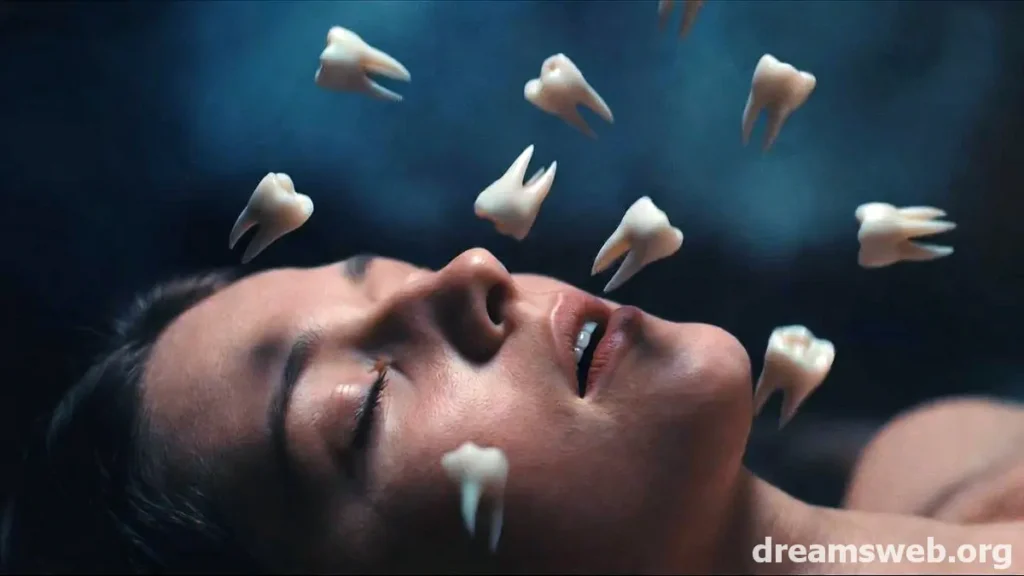
Dreaming of teeth falling out commonly signals anxiety about loss, a shift in personal power, or an unspoken fear of change. Rather than a literal omen, the dream reflects the subconscious mind processing stress, transitions, or communication barriers. Many psychologists regard it as one of the most universally shared nocturnal experiences across cultures and age groups.
You wake up in the small hours, heart thudding, running your tongue across teeth that are — thankfully — still there. That particular flavour of relief tells you something: this dream hit a nerve. If you’ve been dreaming of teeth falling out, you’re part of a surprisingly large club. Researchers estimate that somewhere between 20 and 39 percent of people have had this dream at least once, making it one of the most frequently reported nocturnal visions worldwide.
But why teeth? And why does the dream feel so visceral, so uncomfortably real? The answers draw from psychology, spiritual tradition, and even everyday neuroscience — and they tend to be far more illuminating than the initial panic suggests.
Why the Subconscious Reaches for Teeth as a Symbol
Teeth as markers of vitality and expression
Think about what teeth actually do. They help you eat, speak clearly, and — when you smile — project confidence into the world. In symbolic terms, they represent the tools of communication and self-assertion. When your dreaming mind strips them away, it’s often dramatising a felt sense of powerlessness: the worry that you’re losing your voice in a situation, or that some form of personal strength is quietly eroding.
Jungian analysts often describe the teeth in dreams as proxies for vitality itself. Jung himself wrote extensively about the body as a stage for unconscious projection, and teeth — being both functional and visible — occupy a uniquely charged position in that theatre.
The role of waking anxiety and daily stress
Sleep researchers have noted a sharp uptick in teeth-loss dreams during periods of collective stress. During the early months of the pandemic lockdowns, for instance, sleep clinics across several countries reported a marked rise in this particular dream motif. The pattern aligns with what we know about how the sleeping brain processes tension: it reaches for familiar metaphors of loss and instability, and few images feel as bodily immediate as crumbling or falling teeth.
If you’re currently navigating a demanding life transition — a career shift, a relationship change, a big relocation — dreaming of teeth falling out could simply be your nervous system working overtime, converting abstract dread into vivid, tactile imagery.
Spiritual and Cultural Readings Across Traditions
Islamic ta’bir and family connections
In classical Islamic dream interpretation (known as ta’bir), teeth have long been associated with family members. Losing a tooth from the front of the mouth might relate to a close relative, while back teeth can represent more distant kin. Traditional commentators suggest that context matters enormously here — the emotional tone of the dream, the sequence of events, and one’s waking circumstances all colour the reading.
Christian symbolism: faith, strength, and vulnerability
Biblical texts use teeth as recurring symbols of power and spiritual potency. Prophetic passages reference the breaking of teeth as an image of defeat or humbling. For many Christian dreamers, losing teeth in a dream prompts reflection on whether they are drawing on their deepest spiritual resources — or quietly drifting from them.
Eastern and indigenous perspectives
In certain Buddhist frameworks, teeth falling out maps onto the concept of anicca — impermanence. The dream is less an omen and more an invitation to sit with the uncomfortable truth that nothing stays fixed. Similarly, some Native American traditions view this kind of dream as a message from ancestors, asking the dreamer to pay closer attention to what is being communicated around them.
What the Specific Scenario Might Indicate
Teeth crumbling slowly versus falling out at once
The pace and manner of tooth loss in a dream carries its own emotional grammar. Teeth that crumble gradually tend to reflect a slow, creeping anxiety — something eroding over time rather than a sudden rupture. A single tooth that drops cleanly can point to a specific, contained fear or an isolated area of life feeling unsettled. A mouth emptying all at once, on the other hand, often accompanies major life upheaval — the kind that leaves the dreamer feeling stripped of their usual footholds.
When new teeth grow back in the dream
Not all teeth-loss dreams end in absence. If your dream includes the emergence of new teeth from the gaps left behind, many interpreters — both spiritual and psychological — read this as a powerfully hopeful symbol. You may be completing a period of shedding: old habits, outdated self-concepts, or relationships that have outgrown their season. What follows loss, the dream seems to suggest, is renewal.
If you’re drawn to the emotional dimension of these transitions, you might also find resonance in the empty house dream — another dreamscape that speaks directly to inner vacancy and the preparatory space before something new takes root.
Psychological Frameworks Worth Knowing
Freud’s take on exhibitionism anxiety
Freud connected teeth-loss dreams to a form of social anxiety — specifically the fear of being judged, found wanting, or embarrassingly exposed in public. While his broader interpretive framework has been substantially revised since his time, this particular thread has retained some credibility among contemporary dream researchers, especially for people who work in high-visibility roles or who place significant weight on external approval.
The stress-body connection
There’s a physiological thread worth noting. Some researchers have observed a correlation between bruxism (the clinical term for nighttime teeth grinding) and dreams involving teeth. The physical sensation of jaw tension during sleep may feed directly into the dream’s content — the body and the dreaming mind in a kind of feedback loop. If you wake with jaw soreness alongside this recurring dream, it may be worth mentioning to a dentist.
Recurring Teeth Dreams: When to Pay Closer Attention
Patterns, not isolated incidents
A single teeth-loss dream warrants curiosity, not alarm. A recurring sequence of them, however, is your subconscious sending a more persistent signal. If the dream returns night after night, and especially if it escalates in vividness or distress, it might be worth keeping a brief dream journal — noting the surrounding emotions, recent events, and any waking-life pressures that feel unresolved.
Dreams don’t diagnose conditions, but they do reflect inner weather. And when that weather keeps producing the same storm, it’s usually because something beneath the surface still needs attention.
For readers who find themselves regularly experiencing emotionally charged nocturnal imagery, it may also help to explore how other elemental symbols behave in the dreamscape — for instance, the way dreaming of rain can express the tension between emotional release and internal upheaval.
Simple Practices After This Kind of Dream
Ground yourself before analysis
When you wake from a teeth-loss dream, the first instinct is often to search frantically for meaning. Try pausing in the half-woken state instead — just noticing the feelings present before they dissolve. Anxiety? Relief? Sadness? That emotional residue is frequently more informative than the visual content of the dream itself.
Reflect on what currently feels fragile
Ask yourself, gently and without judgment: what in my waking life feels vulnerable right now? A cherished relationship, a professional identity, a sense of personal authority in a situation? Dreaming of teeth falling out rarely requires a dramatic life overhaul — but it often marks the beginning of a useful internal conversation about where we feel exposed, and what support we might genuinely need.
Frequently Asked Questions
Is dreaming of teeth falling out a bad omen?
Not inherently. In most psychological frameworks, it reflects stress, anxiety about change, or a felt sense of vulnerability — not a literal prediction of misfortune. The emotional tone of the dream matters more than the imagery alone.
Why do I keep having this same dream repeatedly?
Recurring teeth-loss dreams usually indicate that a particular source of stress or unresolved feeling hasn’t been fully addressed in waking life. The subconscious tends to revisit the same symbolic territory until the underlying tension shifts.
Does dreaming of teeth falling out mean someone will die?
This belief circulates in several folk traditions, but there is no empirical support for it. The dream is far more commonly linked to personal anxieties, life transitions, and communication concerns than to literal external events.
What does it mean if my teeth fall out painlessly in the dream?
A painless version of this dream is sometimes interpreted as a sign of willing release — you are letting go of something (an old belief, a relationship, a role) without resistance. It can carry a quietly transformative quality rather than a distressing one.
How is this dream different from other loss-related dreams?
Because teeth are so bodily and immediate, this dream tends to register at a more visceral level than abstract loss scenarios. It connects personal power, appearance, and communication all in one symbol, which is why it often carries more emotional weight than, say, losing a possession in a dream.