
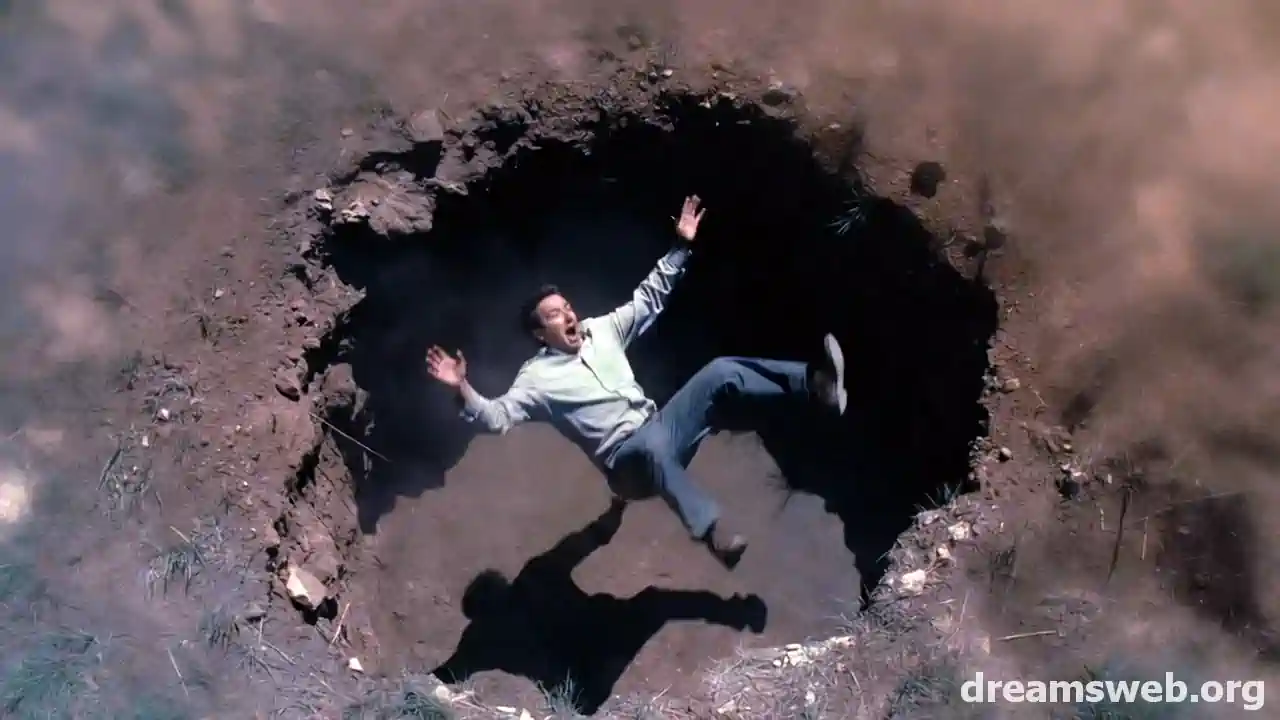
Ever woken up in a cold sweat, convinced gravity had betrayed you during the night? A vivid dream of falling into a hole ranks among the most unsettling nocturnal experiences, leaving a residue of unease that clings like damp earth. These plunges into darkness aren’t random firings of the sleeping brain; they serve as profound signals from deeper layers of awareness, blending somatic echoes with symbolic depth. Exploring the roots of falling dreams and hole dream symbolism reveals connections to hidden fears, life transitions, and even evolutionary safeguards. By decoding this recurring motif, you gain clarity on what your psyche tries to communicate amid the chaos of modern existence.
Unlocking the Mystery: Why Falling Into a Hole Haunts Your Sleep
The dream of falling into a hole frequently strikes during the fragile border between wakefulness and deep slumber, when hypnic jerks—those sudden muscle contractions—mimic actual descent. Your vestibular system, responsible for balance, occasionally misinterprets these twitches as genuine freefall, triggering a cascade of imagery that spirals downward. Yet physiology alone cannot explain the persistence or emotional intensity of falling dreams.
In many cases, the hole represents an abrupt rupture in perceived stability. Daily pressures accumulate like loose soil above a cavern, until one final stressor causes collapse. The mind then rehearses this scenario in sleep, preparing you for potential real-world instability. Think of it as an internal stress-test: the psyche simulates catastrophe to sharpen adaptive responses.
The Physiology Behind the Plunge
As REM sleep cycles intensify, the brain suppresses motor activity to prevent acting out dreams. Occasional breakthroughs—called REM atonia lapses—allow faint kinesthetic sensations to bleed through, amplifying the sensation of plummeting. Combined with elevated amygdala activity, this creates hyper-real terror. Chronic sleep fragmenters experience more frequent hole dream symbolism because disrupted cycles heighten emotional processing during vulnerable phases.
Shocking Truth: What Holes in Dreams Really Symbolize
Beyond surface fright, hole dream symbolism carries layered significance. The void often embodies absence—missing security, purpose, or connection. Psychologically, it mirrors feelings of being “swallowed” by circumstances beyond personal control. A narrow pit might signify a specific relational wound, while an endless abyss points toward broader existential drift.
In archetypal terms, the hole functions as a threshold to the unknown. Descent becomes inevitable confrontation with buried aspects of self—repressed memories, unacknowledged desires, or neglected potential. Emerging interpretations frame these visions not as punishment but as invitations toward wholeness.
Psychological Layers Unveiled
Cognitive frameworks view falling dreams as metaphors for diminished agency. When external forces dominate waking decisions—career uncertainty, financial strain, interpersonal conflict—the subconscious projects this powerlessness as literal descent. The hole encapsulates entrapment within cycles of rumination or self-doubt, urging recognition of patterns that erode confidence.
Subconscious Alert: 7 Triggers Behind Hole-Falling Nightmares
Various factors converge to summon dream of falling into a hole episodes. Identifying these precipitants empowers proactive management.
- Prolonged Hyperarousal — Sustained activation of fight-or-flight circuitry imprints vigilance into dream content, manifesting as perpetual instability.
- Major Life Shifts — Relocations, role changes, or relationship endings disrupt foundational security, prompting symbolic subsidence.
- Sleep Architecture Disruptions — Irregular schedules fragment REM phases, increasing likelihood of intense, fear-laden imagery.
- Nutritional Deficiencies — Low magnesium or irregular blood-sugar levels destabilize neural signaling, fostering myoclonic jolts that seed falling motifs.
- Medication Side Effects — Certain antidepressants trigger REM rebound, flooding sleep with vivid, anxiety-charged scenarios.
- Unprocessed Emotional Residue — Lingering grief, guilt, or shame burrows underground until pressure forces eruption in dream form.
- Environmental Alienation — Prolonged disconnection from nature or community fosters subconscious yearning for grounding, expressed inversely through abyssal imagery.
Addressing even one trigger often diminishes recurrence dramatically.
Anxiety Exposed: Is Your Stress Carving Dream Pits?
Anxiety acts as the primary excavator behind falling dreams. Chronic worry erodes inner resilience, creating metaphorical sinkholes where confidence once stood firm. The descent mirrors catastrophic forecasting—anticipating worst-case outcomes so vividly that the mind rehearses them nightly.
Somatic manifestations compound the cycle: racing thoughts elevate heart rate, shallow breathing reduces oxygen to prefrontal regions, impairing rational override. The result? Amplified hole dream symbolism that reinforces the very fears it depicts. Breaking this loop requires intentional grounding practices—diaphragmatic breathing, sensory anchoring, progressive muscle relaxation—to restore autonomic balance before sleep.
Spiritual Wake-Up: Holes as Portals to Hidden Realms
Many traditions interpret dream of falling into a hole as initiatory descent. In shamanic contexts, the plunge signifies journeying to lower worlds for retrieval of lost vitality or wisdom. The darkness isn’t punitive; it offers purification through confrontation.
Mystical perspectives see the hole as liminal space—a crack between ordinary reality and transcendent insight. Surrendering to the fall, rather than resisting, allows emergence transformed, carrying subterranean knowledge upward. This archetype recurs across cultures as necessary ego dissolution preceding renewal.
Chilling Stories: Real People Trapped in Dream Falls
Countless individuals report similar nocturnal terrors. One professional described repeated plunges coinciding with impending layoffs: “Each night the ground gave way exactly as my sense of security did.” Recognition of the parallel allowed conscious reframing—treating the dream as diagnostic rather than prophetic.
Another recounted endless descent during marital strain: “I kept reaching for roots that crumbled.” Therapeutic exploration revealed suppressed resentment; addressing it directly halted the visions. These accounts highlight universality: falling dreams serve as shared language for unspoken turmoil.
Decode Fast: Interpret Your Hole Dream in 3 Steps
- Capture Immediate Details — Note texture, depth, surroundings, and emotional tone immediately upon waking.
- Map to Waking Life — Identify recent events echoing instability—financial dips, relational tensions, health concerns.
- Rescript the Narrative — Visualize alternative endings (climbing out, sprouting wings) before sleep to influence future iterations.
Consistent application builds interpretive fluency.
End the Terror: Proven Hacks to Banish Falling Dreams
Establish pre-sleep wind-down rituals: herbal infusions (valerian, passionflower), blue-light abstinence, gentle stretching. Maintain sleep logs to spot patterns. Practice reality-testing during day—finger-counting, reading text twice—to carry lucidity into dreams, enabling mid-fall control.
Cognitive rehearsal proves powerful: nightly, imagine safe descent followed by effortless ascent. Nutritional support—magnesium glycinate before bed—stabilizes neural excitability. When combined, these approaches significantly reduce falling dreams frequency and intensity.
Red Flags Rising: When Hole Dreams Demand Therapy Now
Persistent, escalating dream of falling into a hole warrants attention if accompanied by daytime dissociation, panic attacks, or sleep avoidance. When visions bleed into hypnagogic hallucinations or trigger avoidance behaviors, professional intervention becomes essential.
Therapeutic modalities—cognitive behavioral therapy for insomnia, trauma-focused processing, dream-focused psychodynamic work—offer targeted relief. Early engagement prevents chronic entrenchment.
FAQ: Top Answers to “Why Do I Keep Falling Into Holes?”
What triggers recurring dream of falling into a hole episodes?
Common precipitants include high stress, major transitions, irregular sleep patterns, and unaddressed emotional tension. Physiological factors like myoclonic jerks or medication effects also contribute.
Does a dream of falling into a hole always mean something negative?
Not necessarily. While often tied to anxiety or instability, it can signal necessary change, urging deeper self-exploration or release of outdated patterns.
Can spiritual practices help reduce falling dreams?
Grounding rituals, meditation, or intention-setting before sleep frequently diminish intensity by fostering inner security and reducing subconscious alarm.
How do I stop falling dreams from ruining my rest?
Implement consistent sleep hygiene, practice relaxation techniques, journal waking stressors, and consider lucid dreaming methods to regain control within the dream itself.



Leave a Reply